



 Ask Sencha AI
How to Migrate Legacy Apps to Modern Web Apps with Ext JS
April 16, 2025
3815 Views
Get a summary of this article:
Is your team still clinging to legacy software that’s slow, hard to maintain, or frustrating for users? You’re not alone. Many organizations continue to rely on outdated applications that were once revolutionary but now hold back innovation. If that sounds familiar, it might be time to start planning your migration strategy—and Ext JS can make that process a whole lot easier.
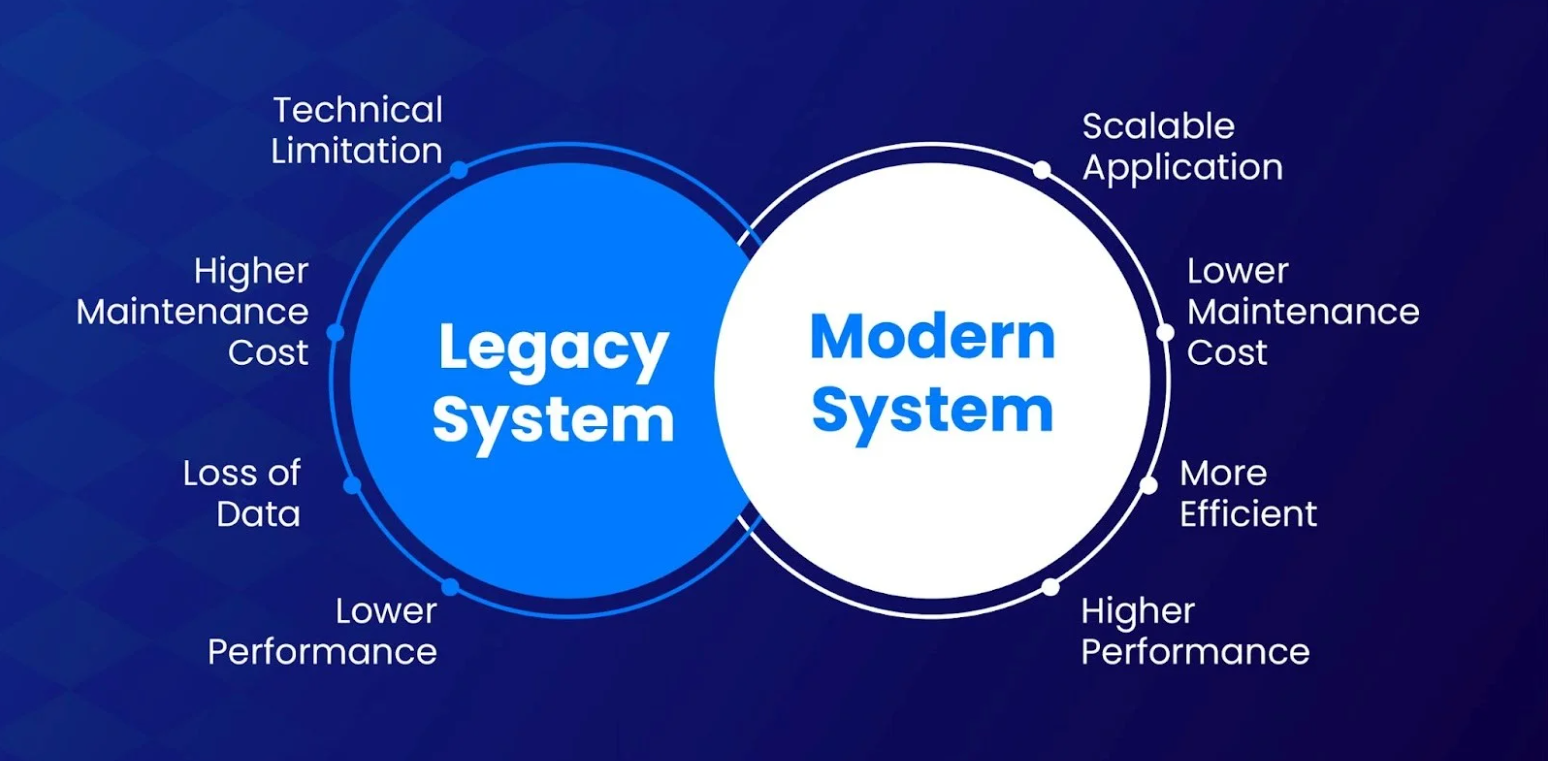
Why Legacy Systems Are Costing You More Than You Think
Legacy apps come with a host of hidden costs:
- High maintenance overhead
- Security vulnerabilities
- Incompatibility with mobile and modern web standards
- Decreased productivity and user satisfaction
- Difficulty finding skilled developers to maintain outdated codebases
These issues not only eat into your budget but also hinder your team’s ability to innovate and deliver modern experiences.
Why You Should Modernize Now
Technology is evolving at breakneck speed, and your users expect fast, responsive, and intuitive digital experiences. With increasing pressure from competitors and internal stakeholders, sticking with outdated systems just isn’t sustainable.
Modernization isn’t just a technical decision—it’s a business strategy.
The Migration Roadmap with Ext JS
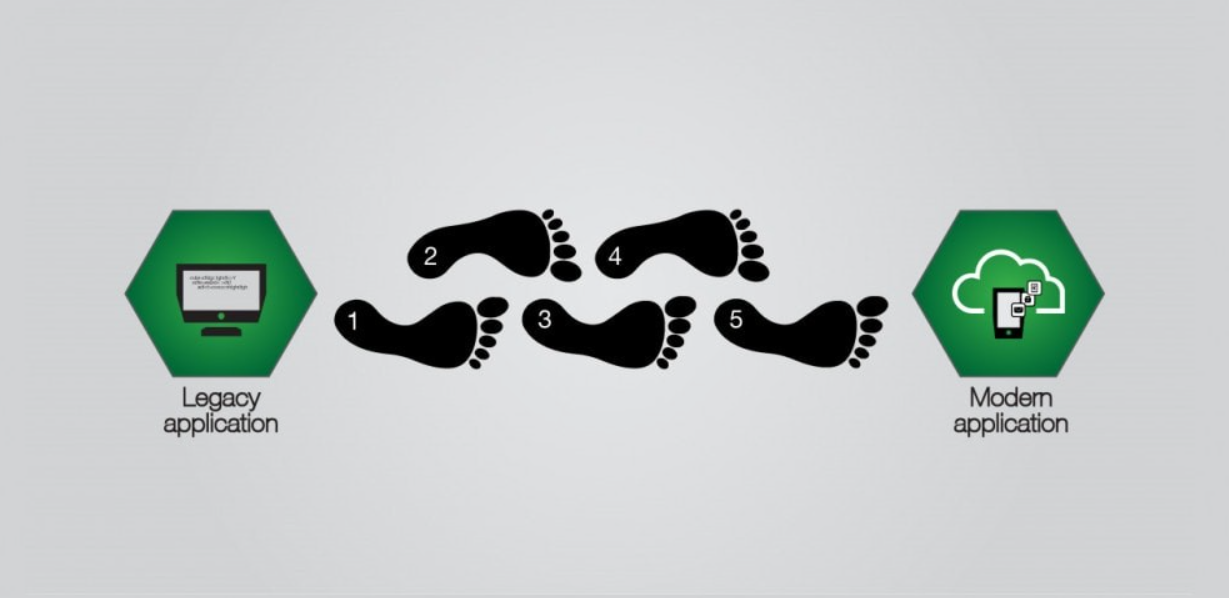
Migrating to a modern web stack can feel overwhelming, but a clear roadmap makes all the difference. Here’s a proven step-by-step plan using Ext JS:
- Assess Your Current System: Identify pain points, limitations, and areas for improvement.
- Define MVPs and Priorities: Focus on critical features and functionality.
- Plan a Scalable Architecture: Lay the groundwork for long-term success.
- Develop Using Ext JS or ReExt (for React projects): Build with a powerful UI framework.
- Deploy Gradually: Migrate in phases to minimize disruption.
Already using an older version of Ext JS (1.x to 4.x)?
Review your codebase, adopt a modular architecture, and use the Sencha Upgrade Advisor to streamline the transition.
Watch our step-by-step video tutorial below
Why Ext JS Is Built for Migration
Ext JS is not just another front-end framework. It offers:
- A massive set of pre-built, high-performance UI components
- Both Classic and Modern Toolkits
- A powerful Grid component, perfect for data-intensive applications
- Integrated tools like Rapid Ext JS, Themer, Architect, and Test for faster development
- Strong support for MVC/MVVM patterns
- Seamless API integration and consistent design standards
Unlocking New Opportunities
A modernized app means:
- Better UX and happier users
- Simplified maintenance and lower long-term costs
- Improved team productivity and morale
- A scalable, future-ready foundation
- Stronger positioning in the market
Plus, with Ext JS, you gain a trusted, enterprise-grade solution backed by an active ecosystem and robust documentation.
Reduce Technical Debt Today
Ext JS enables you to centralize UI management and reuse components, reducing code duplication and rework. That means less development time, faster releases, and more focus on what truly matters—delivering value to your users.
Ready to bring your legacy apps into the future?
Explore real examples: https://examples.sencha.com
Questions? Reach out to us



Latest Content

React Component Library for Data-Heavy Apps: Why 1 Vendor Beats 5
Data-heavy React apps rarely start with five UI vendors. They get there one reasonable decision…
October 21, 2026
How to Standardize on One UI Component Library Across Your React Apps
In most large organizations, every React app has its own UI stack. One team uses…
October 21, 2026
UI Component Library vs Component Framework: What Enterprise React Teams Need
Ask a React team what they use for UI, and you’ll usually hear the name…
October 21, 2026