



 Ask Sencha AI
Subscribe to our newsletter
Be the first to learn about new Sencha resources and tips.
Missed JavaScript Days 2026? The Replays Are Now Available – Watch Now!
In this Sencha 2026/2027 roadmap update, you’ll find a detailed summary of what we’ve planned for the year ahead. Our team talks with customers every day, and your feedback plays a significant role in driving our overall product direction. Overview…

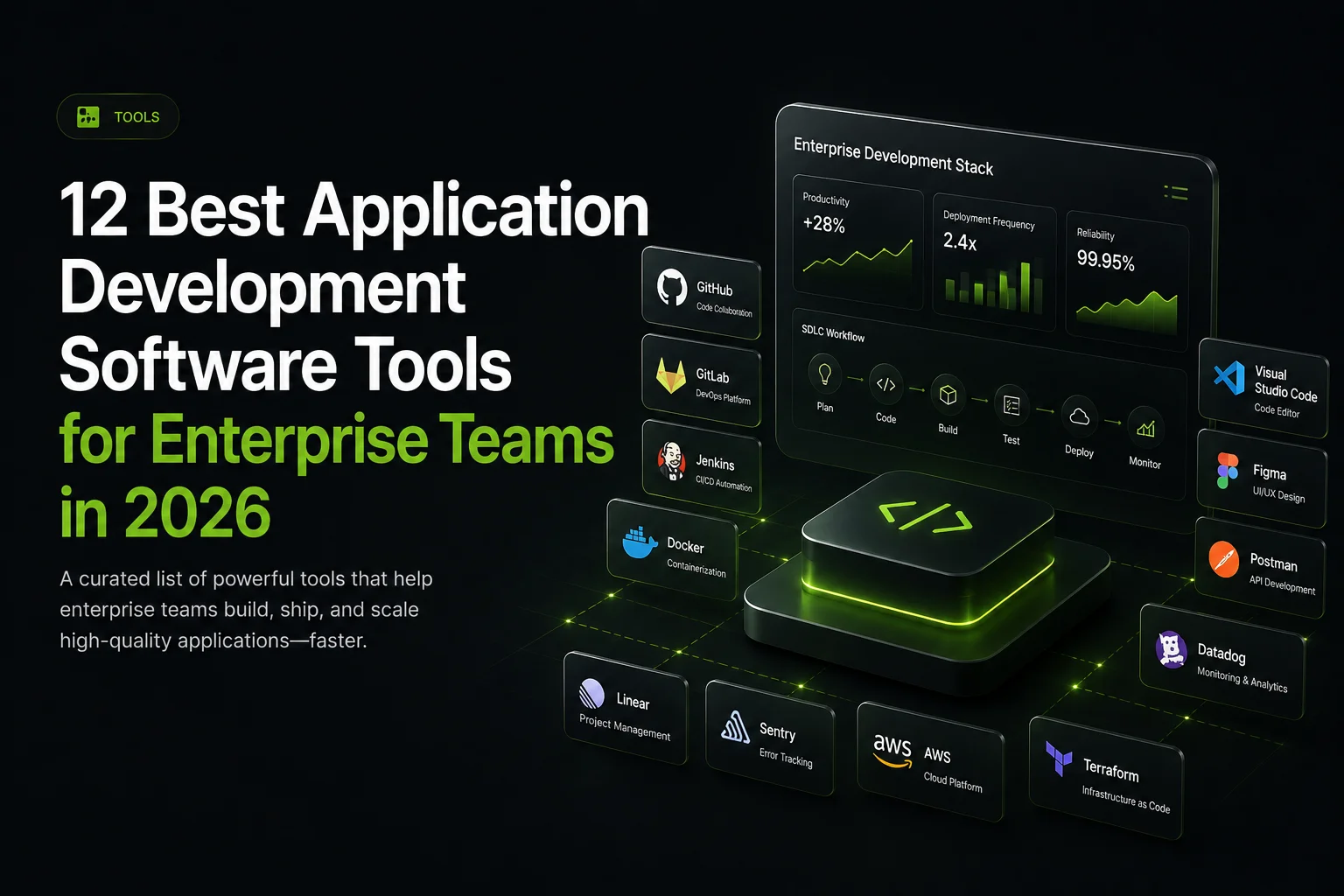
Enterprise teams in 2026 build applications using a stack of complementary application development software tools that each serve a distinct function. This guide covers twelve essential tools that together form the modern enterprise JavaScript development stack: Sencha Ext JS as…
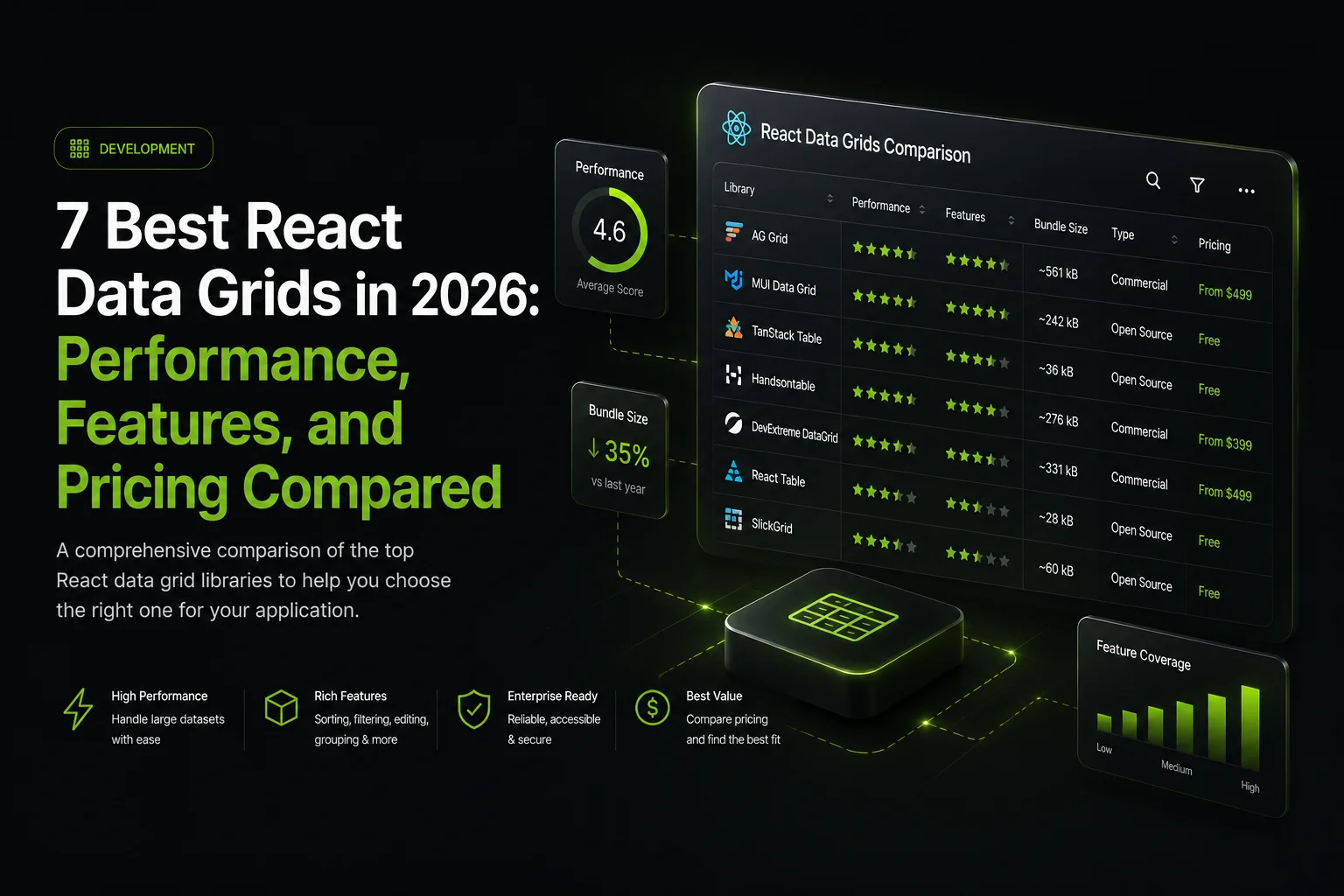
React data grid selection significantly affects enterprise application development outcomes because grids are often the most performance-critical component in data-intensive React applications. This guide compares seven mature React data grid options: ag-Grid React, MUI X Data Grid, TanStack Table, Handsontable,…

Banks and financial institutions face front-end framework choices that affect application performance, security, regulatory compliance, and developer productivity for years. Four major front-end framework categories serve different financial services scenarios in 2026: comprehensive frameworks like Sencha Ext JS for data-intensive…

JavaScript libraries for UI component development in 2026 range from comprehensive enterprise frameworks that provide many components in one package to focused libraries that specialize in specific capabilities. The right choice for enterprise application development depends on data volume, UI…

Enterprise teams routinely invest substantial developer time building JavaScript libraries that already exist as mature, production-grade solutions. This article covers five high-cost component categories that enterprise application development teams frequently build in-house when buying would produce better outcomes: data grids…

Choosing a UI component library shapes development velocity and application quality for years. This guide covers the ten criteria that matter most when enterprise teams evaluate UI component libraries: component breadth, grid performance, browser compatibility, TypeScript support, documentation, enterprise support,…
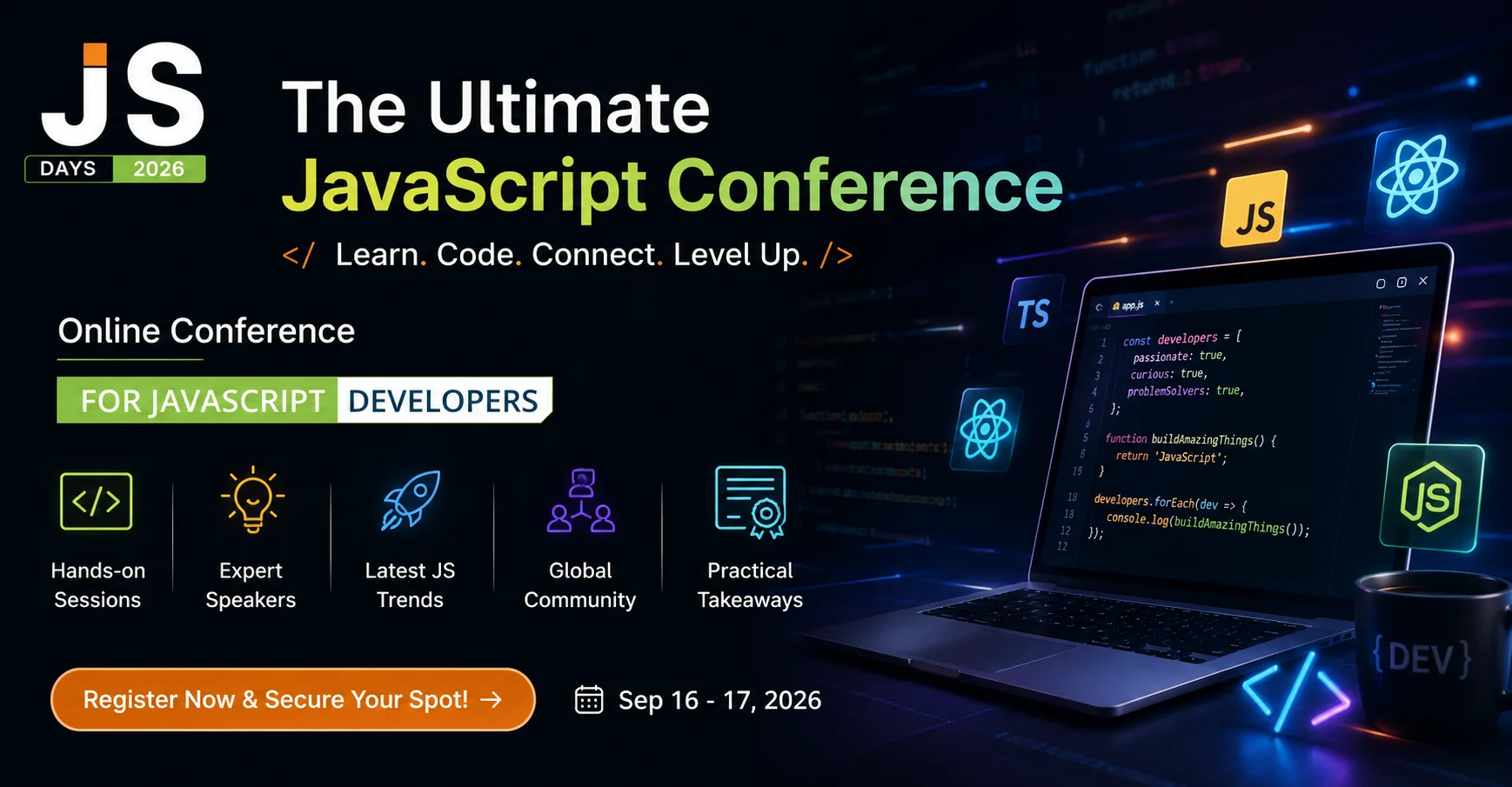
Sencha is bringing back JS Days, a free, two-day online conference for JavaScript developers. Dates: September 16 to 17, 2026 Format: Fully virtual, join from anywhere Cost: Free Hosted by: Sencha, part of Idera, Inc. What It's About JS Days…
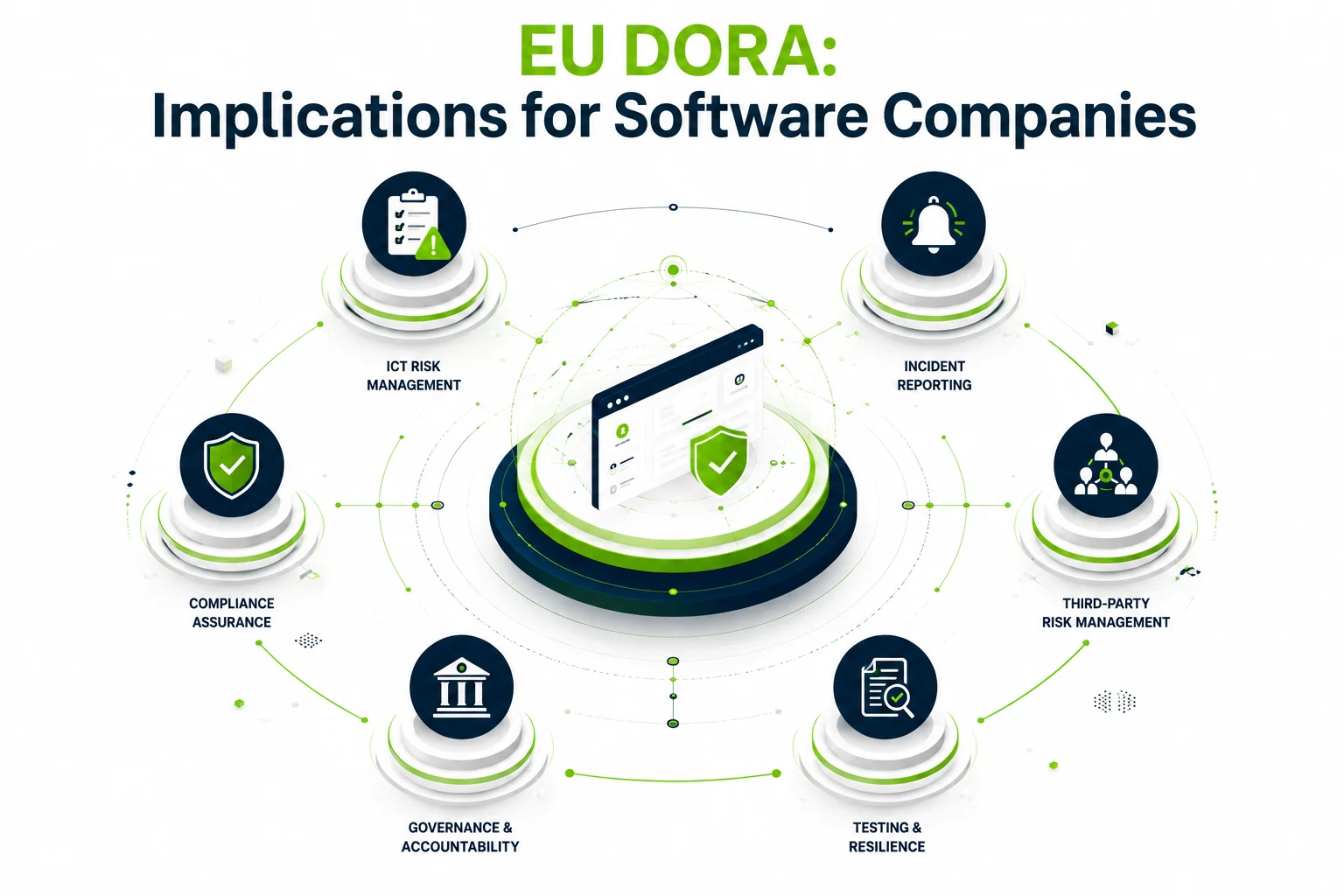
Last Updated: June 2026 The Digital Operational Resilience Act (DORA) is one of the most significant technology regulations introduced by the European Union in recent years. Effective January 17, 2025, DORA establishes a unified framework to strengthen the digital resilience…
Be the first to learn about new Sencha resources and tips.