



 Ask Sencha AI
Announcing Oracle Forms Modernization Service from Sencha
August 16, 2016
3555 Views
Get a summary of this article:
We’re excited to announce a new service that helps teams migrate legacy Oracle Forms applications to modern cross-platform web applications in days versus weeks or months. The Sencha Professional Services team can help you modernize your Oracle Forms app into a flexible, cross-platform web application without rewriting code or discarding existing application investments.
To learn more:
- Read about Oracle Forms Modernization Service
- Contact Us to talk about converting your Oracle Forms apps
- Register for our upcoming webinar
Upcoming Webinar
Modernize Oracle Forms Apps with New Sencha Service
Thursday, August 25, 2016
10am PDT | 1pm EDT | 6pm BST
Register Now
How does it work?
The automated forms converter is a key component of the modernization service. It transforms the Oracle Forms application into Ext JS application source files in minutes. The converter transforms the form into XML and interprets it to build all of the elements required for the web application including live data grids, buttons and handler code, forms with inputs, radio buttons, checkboxes and date pickers, and the supporting business logic. It features a powerful javascript grid library. The converter can also generate data models and Oracle PL/SQL code to perform data queries, inserts, and updates on the database.
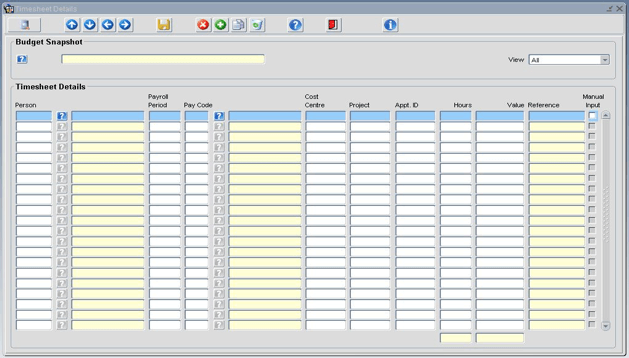
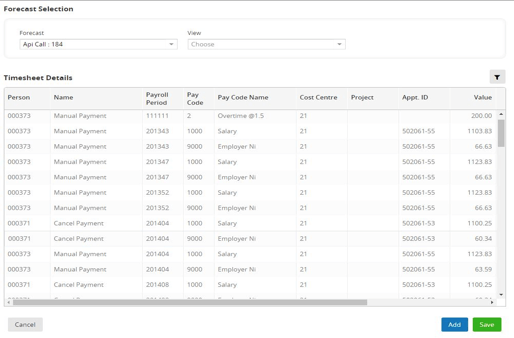
Once the forms have been converted, Sencha Professional Services customizes the visual elements of the application to fit any specified design requirements. Sophisticated UI components can also be added to the application to help visualize and analyze complex data sets. The application is delivered with complete source code, ensuring that developers can update and maintain the application over time. Developers may leverage other Sencha technologies to improve productivity, including IDE plugins and the Sencha Inspector application debugger.
Using our integration with Oracle Mobile Cloud Service, the newly modernized application can utilize sophisticated back-end mobile cloud services including enterprise security, push notifications, authentication, data storage, diagnostics, and analytics. You can also choose to leverage existing back-end technology.
To see this new service in action, register now for our upcoming webinar.


Latest Content
How to Handle Millions of Rows in a React Data Grid: Buffered Rendering and Server-Side Data
A React data grid that feels instant with 1,000 rows can freeze with 100,000 and…
October 16, 2026
How to Choose a React Grid Component: 12 Features Enterprise Apps Need
Picking a React grid component looks easy in week one. Every option sorts columns and…
October 16, 2026
Enterprise React Data Grid: The Features Enterprise Teams Need, and What Each Grid Includes
Almost every enterprise React data grid advertises the same features: grouping, pivoting, Excel export, clipboard,…
October 16, 2026